I have a problem and that is I love to read but in most cases after 5-6 pages I fall asleep. This works great if I want to take a nap or I’m getting into bed, but it doesn’t help me finish a book. But one of my strengths is persistency and I do slowly move through books just in a methodical fashion.
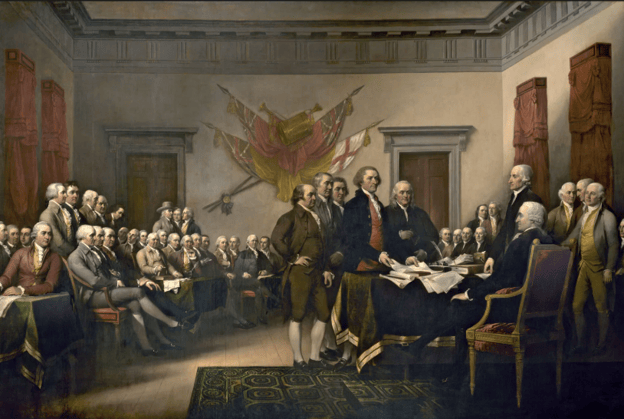
I have been fortunate to read 2 books this summer that capture the celebration of our 250th anniversary as a country. I was not planning to read these books this summer, but my father was a high school American history teacher, and I came across them in his library this spring.
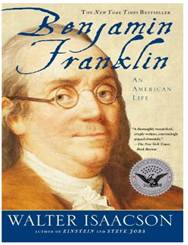
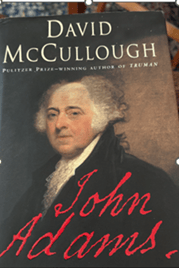
I have listed the books below. They are primarily about Benjamin Franklin and John Adams but they included a great deal of detail regarding other leaders of the time including George Washington and Thomas Jefferson.
Benjamin Franklin – Walter Isaacson – 2003
John Adams – David McCullough – 2001
We all know the basics of what transpired with the Revolutionary War, the Declaration of Independence and the formation of our country but I would encourage you to take the time to read about this time period in more detail, the leading characters and how they shaped the outcome. At this point in my life, digging into the details helped me have a greater appreciation for what we have now and the sizable odds that were stacked against us. Here are a few of my main insights from the books and my takeaway for our lives today.
Insight – Odds not in our Favor
- As you are reading about all the battles that are occurring through the war with few exceptions, most are being won by the British. The revolutionary army was so underfunded, poorly trained and mismanaged that you realize that in our betting society of today the odds would be 10 to 1 against us succeeding. What also stands out is the importance of a strong navy and while the British had hundreds of ships we had very few.
- There were several pivotal battles where the Colonies won but it really came down to four that defined the outcome of the war: Bunkerhill, Trenton (Washington crossing the Deleware in winter) Saratoga and Yorktown. As anyone in the capital region knows, the victory at Saratoga showed the French that our military had a chance and brought them into the war on our side which was needed for us to ultimately succeed.
- There were many individuals in the colonies who appreciated the status quo with England and although they wanted some things to change many were not thinking a full separation from England was the correct course.
- Given the significant differences between the Thirteen Colonies it is astounding they were able to come together as a united front. There were many topics where they did not agree, including sizable differences such as slavery, national and ethnic origin and their economies.
Takeaway
The most important takeaway from the book is how fortune and lucky we are that our ancestors pushed forward through all these challenges with the odds stacked against them to create this amazing country. I think it is important to have gratitude every day that we live in this country that provides us the liberty, freedom and protection to pursue our dreams. Also, when you are just starting a journey and things look dark and you are not certain you will succeed, keep the future in mind and execute on your plan.
Insight – Greeks and Romans
The role that Greek and Roman ideas, political structure and values played in shaping our founding documents and government structure. I loved learning that many of the things we take for granted these days in the medical, architectural, political, government or educational systems originated not 250 years ago but more than 2,000 years ago. If you live in Upstate NY the impact is always present whether it is the town names (Ithaca, Troy, Homer) or the architecture.
Takeaway
In this summer of The Odyssey movie and having recently read Meditations which are thoughts on stoicism by the Roman emperor Marcus Aurelius, I think we should all take more time to appreciate these civilizations and what they can teach us. With all our high tech and sophistication, it’s about going back to basics to find peace of mind, direction and a path to success.
Insight – Lack of Financial Discipline
As a financial advisor, it’s interesting to see how Adams, Benjamin Franklin and especially Thomas Jeffereson all had significant money problems. Much of it was from trying to portray a certain lifestyle. Jefferson died with more than $100,000 in debt.
Takeaway
There is value in appreciating the struggles we all have in making financial decisions and balancing our budgets when even these great men fell prey to overspending and getting caught up in consumerism. Spending more than you have is never a good idea and at some point, it will catch up with you.
Insight- Personal Flaws
Even though they achieved great things and we memorialized them, they were all human and had the pretty serious character flaws. Benjamin Franklin lived in Europe for years and left his wife in Philadelphia by herself even when he didn’t have any real mission in France or Britian. She died alone while he partied with the aristocrats of France. Jefferson wrote the Declaration of Independence and believed very strongly that all men were created equal, including African Americans but because of his financial needs he kept 200 slaves working on his farm until the day he died. John Adams was accused of being arrogant and stubborn, but his personal diaries show someone who worried greatly about his character and motives, whether he was the right person for the role and a huge fear of failure.
Takeaway
Hopefully our personal flaws aren’t too severe, but I think we all need to come to terms with our shortcoming and find ways to improve ourselves. With that said, we shouldn’t let our flaws prevent us from being successful and building the lives we deserve. If these men could find ways to be successful, we can as well.
My suggestion to you is to get out of your comfort zone, find a book about this period in our country’s history and spend the time seeing where we started and the people who made it happen. It’s the personal stories, challenges and successes that make them relatable and provides context to our current economy, culture and government.