
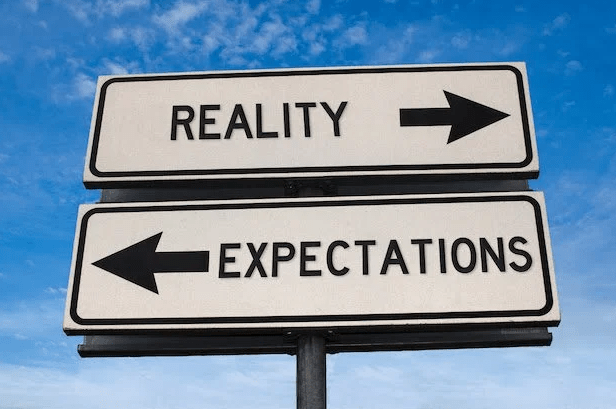
A constant theme I bring up with my team is “expectations management”. In life, it is not just what occurs that impacts someone’s perspective on that outcome. Equally important is what they were expecting. If they were expecting something great, and reality was less, they would be disappointed. This is true even if the outcome was very good. If they aren’t expecting much, then they will be very happy with an outcome that is just slightly better. Using this mindset, it requires individuals to focus on two items. First, to properly set expectations of what is going to be provided and second, to meet or exceed those expectations.
This concept of managing performance versus expectations is extremely important in the markets and economic data. I frequently have clients ask me why a stock went down even though they reported good financial performance for the quarter. In most cases it’s because although the numbers were good compared to previous years or quarters, they were below expectations of Wall Street analyst.
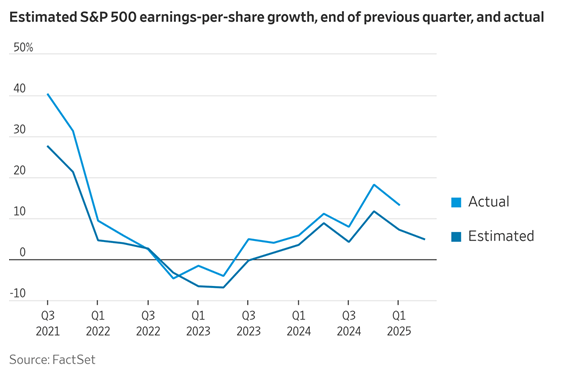
The graph below shows actual earnings compared to estimated earnings over the past 4 years. In most cases, actual earnings have outperformed estimated earnings. Subsequently, we have seen the markets provide stellar performance over this period. The one exception is the 3rd and 4th quarter of 2022. During this period, actual earnings underperformed compared to estimated earnings and we experienced a bear market at that time.
Recently we saw these expectations versus actual data play out with the July inflation report. The inflation for July was 2.7% or 3.1%, stripping out energy and food. These numbers were flat or slightly elevated from past reports. This should have been a negative for the possibility of an interest rate increase and bad news for the markets. Instead, the markets rallied to all-time highs on the news. The reason for the optimistic perspective is that analyst were expecting consumer prices to rise dramatically with Trump’s tariffs and this would have removed the possibility of a rate increase.
Once you start to view economic and market data from this perspective of expected versus actual, it can really change your understanding of how people will react. The market’s reaction will become more intuitive. With this knowledge, it now becomes as important to determine if a forecast is aggressive or conservative. Setting expectations too high can cause even a very positive report to look bad just as setting the bar too low can allow mediocre data to look good.

 peaceofmindeconomics.com