
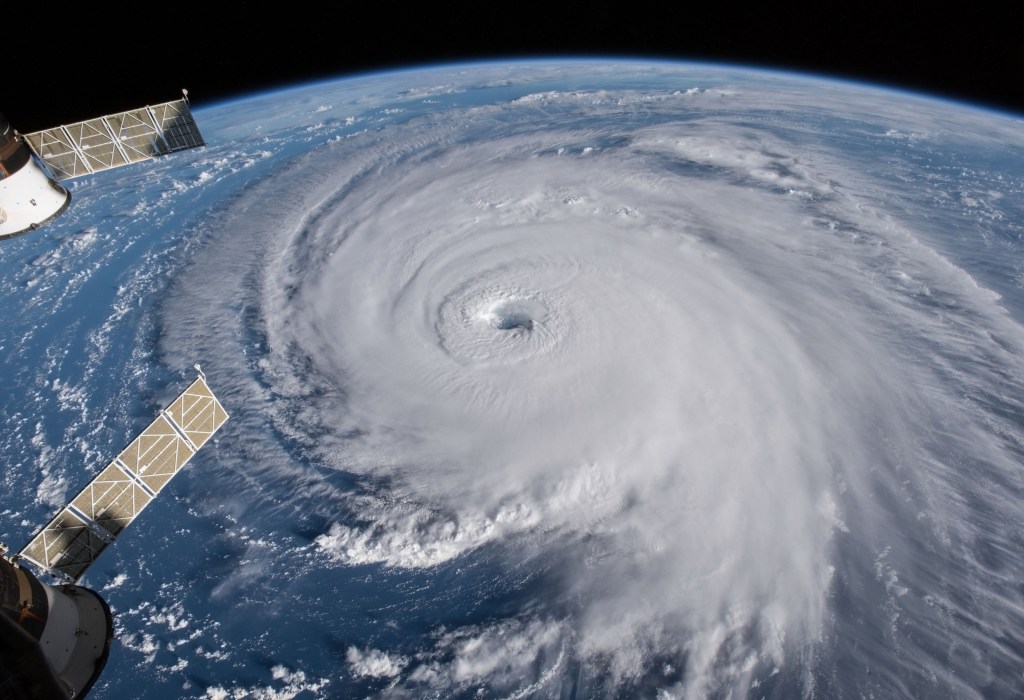
You see it every year on the Weather channel when there is a major hurricane barreling towards the U.S. The reporter on the screen has a weird mix of scientific curiosity for the impending storm and a genuine concern for everyone in harms way and the real damage that might occur.
As economist, the last month has been a similar experience for me where we will see the real world consequences of implementing tariffs across all our major trading partners to a level not seen since the 1930s (shown in graph below) when international trade was 10% of what it is today.

You can theorize as much as you want on how this will play-out but having a front row seat to see the impacts in real life will be dramatic and I’ll be very curious to watch them unfold. At the same time, if these tariffs are left in place, very quickly there will be real world negative impacts which means people losing their jobs and homes. This will be very hard to watch.
To me, the uncertainty that exist because of the current policy is as much a problem as the actual tariffs. Here is a personal example of how this uncertainty plays out. I am in the market to buy a car and there is a good likelihood that there will have a 25% tariff applied to the price of the car. I’m not inclined to buy the car with the tariff expense but I’m also not inclined to make any decision because the policy might change at any point. Now take this reason for indecision and apply it to consumers and any businesses who are impacted by global trade. This uncertainty and resulting indecisiveness is what can really create havoc to the economy. When consumers and businesses take a wait and see approach to buying or investing that is usually not good for the economy.
If you have any questions regarding how the tariffs may impact your portfolio or financial plan feel free to contact our office for a discussion.

 peaceofmindeconomics.com